
Machine guides / Lifting and access
Truck crane
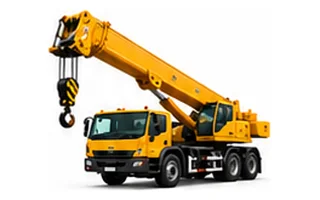
A truck crane mounts a telescopic boom on a road-going truck chassis. It drives to the job, sets up on outriggers and lifts steel, precast concrete, equipment and materials. The same engine traditionally drives both the truck and the crane.
Typical uses
Where it works.
- Steel and precast erection
- Equipment installation
- Short lifting jobs across a city
The electric version
What changes when it goes electric.
Electric and hybrid truck cranes have appeared from Chinese makers, with designs that let the crane run from a battery or plug into site power while lifting, and in some cases drive electrically too. Lifting is intermittent, which suits batteries; road travel between jobs adds to energy use.
Before you decide
What decides whether it works on your site.
General guidance only. Every site needs its own technical and financial assessment by qualified engineers.
Plug-in on site
If the site has power, plugging in while lifting saves the battery for driving.
Load charts
Use the electric model's own load charts.
Road rules
Check registration and axle loads for public roads.
Buyer questions
Questions to answer first.
- Typical lift weight and radius?
- Is power available at most sites?
- How far between jobs each day?
How we help
We map the Chinese makers that build it.
Share your answers to these questions and we'll build a checked shortlist of makers, compare what they offer and set up the conversations. We don't sell or certify machines.
Send a requirementRelated machines
Keep exploring.
Mobile crane
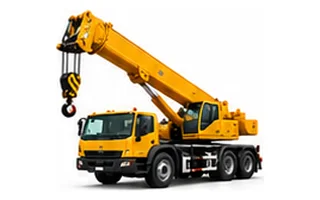
Mobile cranes include all-terrain and rough-terrain cranes that travel to site on their own wheels and lift with a telescopic boom.
Read the guide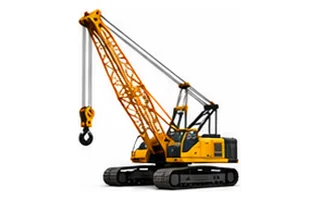
Crawler crane
A crawler crane sits on tracks and carries a lattice boom for heavy lifts.
Read the guide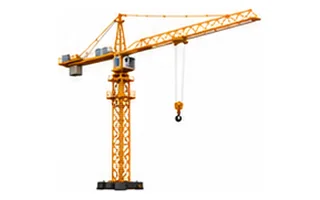
Tower crane
A tower crane is a fixed crane with a tall mast and a horizontal jib, used on building sites to lift materials across the whole site for the length of the project.
Read the guide