
What we cover
Electric heavy equipment, one category at a time.
We start where the numbers are easiest to measure, mining haulage and retrofit, and widen the focus as real demand shows us where to go.
Mining haulage and retrofit
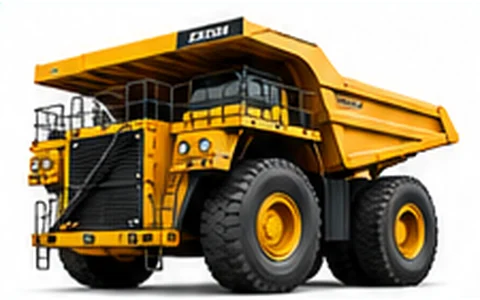
Battery-electric rigid haul trucks, especially in small and medium payload classes, and diesel-to-electric conversion of existing trucks. Fleets here have measurable fuel, maintenance and productivity costs, which makes a business case possible to test.
- Battery-electric rigid mining trucks
- Diesel-to-electric conversion kits and systems
- Electric drive systems and powertrain integration
- Charging and battery swapping where it fits the site
Underground mining equipment
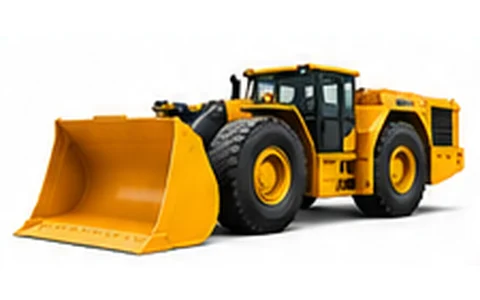
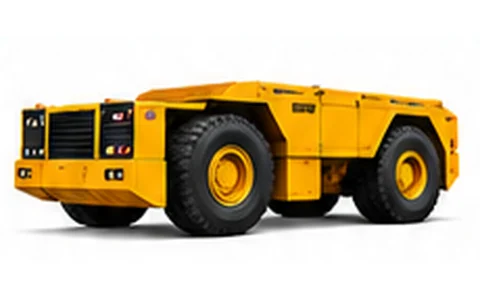
Battery-electric loaders (LHDs), underground trucks, utility vehicles, drilling and support equipment. Less diesel exhaust underground can mean better working conditions and, at some mines, lower ventilation needs. How much depends on each mine's own ventilation and operating data.
- Battery-electric underground loaders (LHDs)
- Underground mining trucks
- Electric utility vehicles
- Drilling and support equipment
Construction and material handling
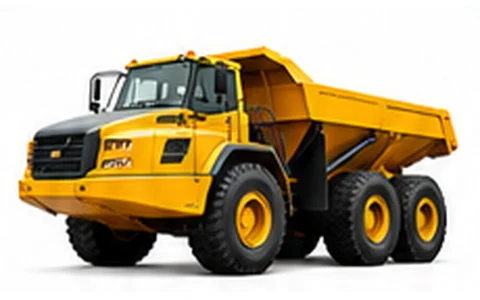
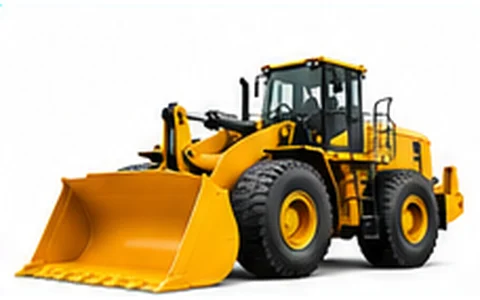
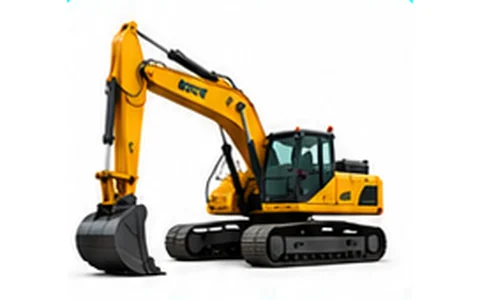
Electric wheel loaders, excavators, articulated dump trucks, port and industrial material-handling equipment, forklifts and specialist vehicles. A wider range of uses and often smaller first orders, with requirements that vary a lot from one buyer to the next.
- Electric wheel loaders and excavators
- Articulated dump trucks
- Port and industrial material handling
- Electric forklifts and specialist vehicles
Inside the machines
The systems behind electric fleets.
Components and site power, sourced alongside the machines or on their own.
Batteries and powertrains
Battery packs and modules, motors, inverters and controllers, battery management systems, thermal management, high-voltage parts.
Charging and battery swapping
DC charging, battery-swap stations and the site power that heavy electric equipment needs.
Industrial energy
Storage and power systems that sit behind electric fleets, matched to the site's grid or generation.
What buyers weigh
What decides whether electric works.
Every case is different. These are the questions a real assessment has to answer.
Tonnes and cycle time
Payload, haul distance, gradient and road condition set the energy each cycle needs.
Uptime and charging windows
Shift patterns decide when machines can charge or swap, and how much power the site must supply.
Battery life and heat
Degradation, thermal management and replacement plans shape the cost over the machine's life.
Service and parts
Who services the machine locally, how fast, and with which parts in stock.
Total cost of ownership
Fuel, energy, maintenance and, underground, ventilation, compared over years rather than at purchase.
Safety and compliance
Certification, warranties and local rules for the exact machine and country.
Working on one of these?
Send the machine, the site and the timing. We'll tell you honestly whether we can help.