
Machine guides / Drilling and processing
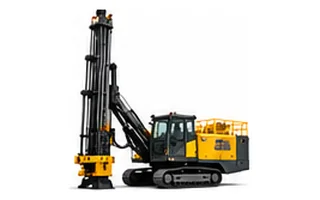
Electric drill rig
Surface drill rigs make holes in rock for blasting, sampling or ground support. Crawler-mounted top-hammer and down-the-hole rigs are used in quarries, construction and open-pit mines, with booms that position the drill and compressors or hydraulics that power it.
Typical uses
Where it works.
- Drilling blast holes in quarries and mines
- Construction rock excavation
- Pre-splitting and controlled blasting
- Ground anchors and support
The electric version
What changes when it goes electric.
Drill rigs spend most of their time stationary while drilling, which suits electric power. Options include cable-powered rigs that plug into site power while drilling, and battery or hybrid rigs that tram between holes on battery. Electric drilling removes engine noise and exhaust at the bench and can reduce energy use where grid power is available.
Before you decide
What decides whether it works on your site.
General guidance only. Every site needs its own technical and financial assessment by qualified engineers.
Power at the bench
Cable rigs need power distribution to the drilling area.
Hole size and depth
Match the rig type to the hole diameter and depth you drill.
Compressed air
Down-the-hole drilling needs a large compressor; check how it is powered.
Moves between benches
Count how far the rig trams between patterns.
Buyer questions
Questions to answer first.
- What hole diameter and depth?
- Is power available at the drilling area?
- How many metres are drilled per shift?
- Top-hammer or down-the-hole?
How we help
We map the Chinese makers that build it.
Share your answers to these questions and we'll build a checked shortlist of makers, compare what they offer and set up the conversations. We don't sell or certify machines.
Send a requirementRelated machines
Keep exploring.
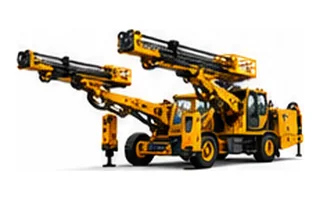
Battery-electric roof bolter
A roof bolter drills holes into the roof and walls of underground openings and installs rock bolts or cable bolts to hold the ground in place.
Read the guide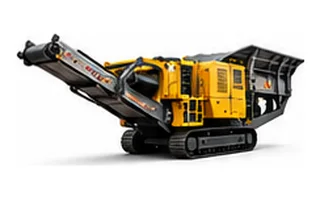
Electric mobile crusher
A mobile crusher is a tracked crushing plant, usually a jaw, cone or impact crusher, that breaks rock, ore or demolition waste into smaller sizes close to where it is dug.
Read the guide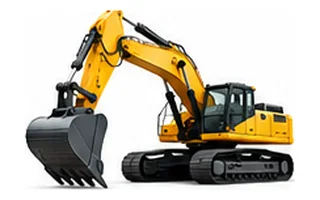
Electric mining excavator
A mining excavator is a large hydraulic excavator, usually in backhoe configuration, used to dig blasted rock and load haul trucks.
Read the guide