
Machine guides / Road and concrete
Asphalt paver
An asphalt paver receives hot mix from trucks, spreads it across a heated screed and lays an even mat of asphalt for roads, car parks and runways.
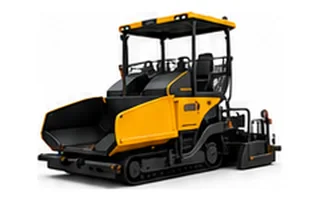
Typical uses
Where it works.
- Road surfacing
- Car parks and yards
- Airport runways
The electric version
What changes when it goes electric.
Electric pavers use electric power for the drive and for heating the screed, which is one of the largest loads. Battery-electric pavers have been introduced in smaller classes; larger pavers can use electric screed heating with an onboard generator. Heating demand is the key design question.
Before you decide
What decides whether it works on your site.
General guidance only. Every site needs its own technical and financial assessment by qualified engineers.
Paving width
Wider screeds need more heating power.
Shift length
Paving shifts can be long; plan energy for the full lay.
Crew fleet
Rollers and trucks in the same crew affect total charging needs.
Buyer questions
Questions to answer first.
- Paving width and daily tonnage?
- Urban night work or highway?
- Where would it charge?
How we help
We map the Chinese makers that build it.
Share your answers to these questions and we'll build a checked shortlist of makers, compare what they offer and set up the conversations. We don't sell or certify machines.
Send a requirementRelated machines
Keep exploring.
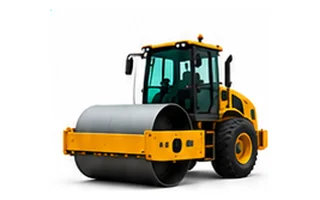
Road roller
A road roller compacts soil, gravel and asphalt with heavy steel drums or rubber tyres, often with vibration.
Read the guide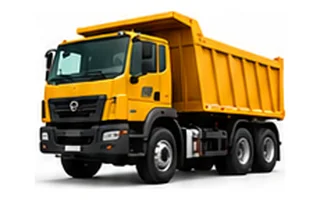
Dump truck
An on-road dump truck has a tipping body on a heavy truck chassis and carries sand, gravel, soil, rock and demolition waste between sites, quarries and plants.
Read the guide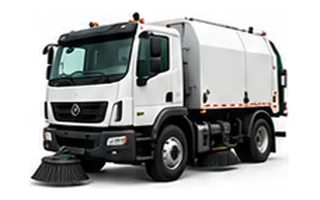
Road sweeper
A road sweeper cleans streets, industrial sites, ports and mine roads using brushes, suction and water spray, collecting dust and debris into a hopper.
Read the guide